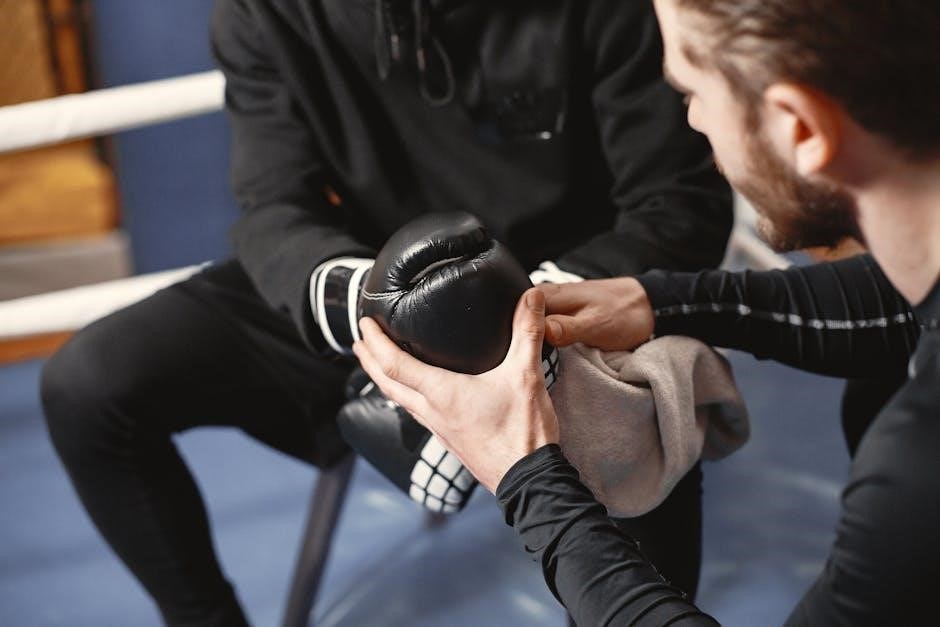
Navigating the world of boxing gloves requires understanding proper sizing; it’s crucial for performance and safety within the ring, preventing potential injuries.
Selecting gloves based on weight, hand size, and discipline ensures optimal protection and allows boxers to train and compete effectively, maximizing their potential.
Why Proper Glove Size Matters
Achieving the correct boxing glove fit is paramount, extending far beyond mere comfort; it directly impacts your ability to perform effectively and, crucially, to safeguard against injuries. Gloves that are too small constrict your hand, hindering proper fist formation and increasing the risk of fractures or sprains during training or sparring.
Conversely, oversized gloves diminish dexterity and control, compromising your punching power and technique. A well-fitted glove provides essential cushioning for your knuckles and the metacarpal bones, absorbing impact and reducing the likelihood of cuts, abrasions, and long-term joint damage.
Proper sizing also enhances your overall performance, allowing for quicker hand speed, more accurate punches, and improved stamina. Investing time in finding the right size is an investment in your boxing journey, ensuring both safety and optimal skill development.
Potential Risks of Incorrect Sizing
Utilizing ill-fitting boxing gloves exposes boxers to a spectrum of potential injuries, ranging from minor discomfort to severe, long-term damage. Gloves that are too tight can severely restrict blood flow to the hands, causing numbness, tingling, and even cramping during intense training sessions or competitive bouts.
This constriction also compromises proper fist closure, increasing the vulnerability of the hand to impact forces and elevating the risk of fractures. Conversely, gloves that are too large offer insufficient support, allowing the hand to move excessively within the glove and increasing the chance of sprains and strains.
Furthermore, inadequate padding in oversized gloves diminishes impact absorption, potentially leading to knuckle injuries, abrasions, and even concussions. Ignoring proper sizing isn’t just about comfort; it’s about protecting your long-term health and boxing career.
Understanding Boxing Glove Weight
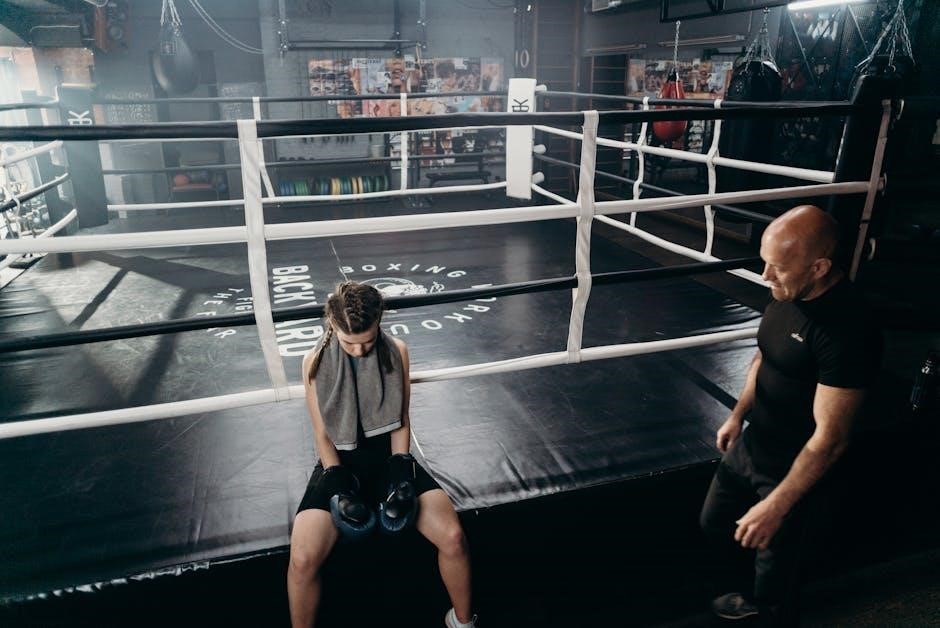
Boxing glove weight, measured in ounces, directly correlates to padding and protection; heavier gloves offer more cushioning for sparring and competition.
Understanding this system is vital for selecting gloves appropriate for your needs and skill level within the sport.
Ounce (oz) System Explained
The ounce (oz) system in boxing glove sizing doesn’t refer to the glove’s actual weight, but rather the amount of padding it contains. Historically, it indicated the weight of the horsehair padding used, though modern gloves utilize foam.
A higher ounce number signifies more padding, offering increased protection for both the wearer and their sparring partner. Gloves are typically available in sizes ranging from 8oz to 16oz, with some specialized gloves going even higher. This padding is crucial for absorbing impact and minimizing the risk of injuries like hand fractures, cuts, and bruising.
Essentially, the ounce measurement is a standardized way to gauge the level of protection a glove provides, guiding boxers toward appropriate choices based on their training intensity and the specific activity – bag work, sparring, or competition.
Common Boxing Glove Weights and Their Uses
Generally, 8oz gloves are often used for competition amongst lighter weight classes and sometimes for focused pad work, prioritizing hand speed. 10oz gloves are suitable for lighter individuals during sparring or advanced pad work, offering a balance of protection and feel.
The most versatile weight, 12oz gloves, are popular for both bag work and light to moderate sparring, accommodating a wide range of boxers. 14oz gloves provide enhanced protection for heavier sparring sessions, minimizing impact for both partners.
Finally, 16oz gloves are typically recommended for heavier boxers during full-contact sparring, offering the highest level of protection. Choosing the correct weight depends on your body weight, experience level, and the specific training purpose, ensuring safety and optimal performance.

Determining Your Ideal Glove Size
Finding the perfect fit involves considering your weight, measuring your hand, and evaluating your boxing experience; these factors are key to optimal protection.

Weight-Based Glove Size Chart
Utilizing a weight-based chart is a foundational step in selecting appropriate boxing gloves, offering a general guideline for beginners and experienced boxers alike. Generally, individuals weighing under 150 lbs often find 12oz or 14oz gloves suitable, providing adequate protection for lighter sparring and bag work.
Boxers between 150-180 lbs typically gravitate towards 16oz gloves, offering a balance of protection and maneuverability for more intense training sessions. For those exceeding 180 lbs, 18oz or even 20oz gloves are recommended, ensuring sufficient padding to safeguard both the wearer and their sparring partner.
However, it’s vital to remember these are merely suggestions; individual hand size and experience level significantly influence the ideal glove weight. Always prioritize a snug, comfortable fit that allows for proper fist closure without feeling overly restrictive. Consulting with a boxing coach or experienced retailer can further refine your selection.
Hand Size Measurement Guide
Accurately measuring your hand is paramount for achieving a precise boxing glove fit, complementing weight-based recommendations. Begin by placing your open hand flat on a table, then use a flexible measuring tape to circle your hand at its widest point, encompassing the knuckles.
Record this measurement in inches, and refer to a glove sizing chart that correlates hand circumference with corresponding glove sizes. Generally, a hand circumference of under 8 inches suggests a smaller glove size (e.g., 12oz), while larger hands (over 9 inches) necessitate larger sizes (e.g., 16oz or 18oz).
Remember to measure both hands, as slight variations are common; choose a size that accommodates the larger hand. Consider the thickness of hand wraps, as they add bulk and may require slightly larger gloves. A properly fitted glove should allow for comfortable fist closure without excessive looseness or constriction.
Considering Your Experience Level
Your boxing journey’s stage significantly influences optimal glove sizing; beginners often benefit from larger gloves, prioritizing protection during skill development. Novices typically utilize 14oz or 16oz gloves, fostering hand and wrist safety as they refine technique and build conditioning.
Intermediate boxers, with established fundamentals, may transition to slightly smaller sizes (12oz or 14oz) for enhanced feel and faster hand speed. Advanced and professional fighters often employ lighter gloves (8oz to 12oz) during sparring and competition, maximizing agility and precision.
However, even experienced boxers may opt for heavier gloves during bag work to build endurance and power. Always prioritize safety; if unsure, err on the side of larger gloves, especially when starting or returning after a break. Proper fit and adequate protection are crucial at every level.
Boxing Glove Sizing for Different Disciplines
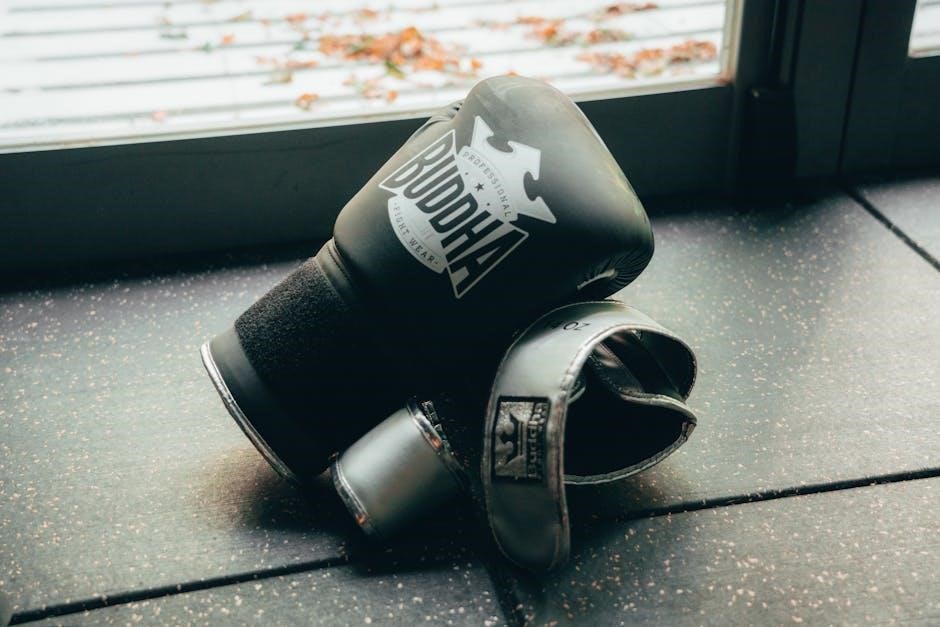
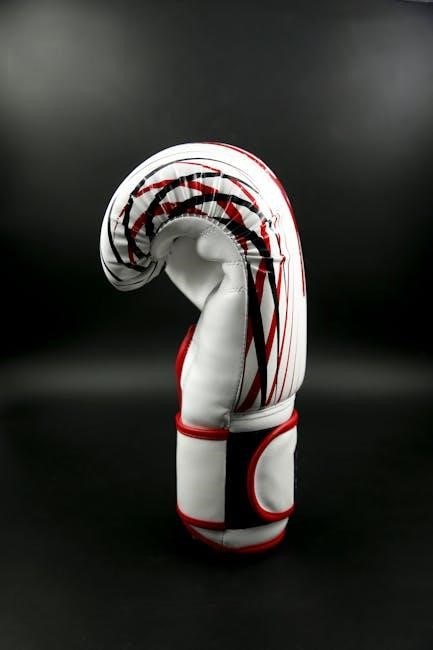
Glove selection varies by discipline; bag work often uses heavier gloves, while sparring demands more protection, and competition prioritizes agility and regulated weights.
Sizing for Bag Work
When focusing on heavy bag work, prioritizing hand and wrist support is paramount due to the repetitive impact. Generally, boxers utilize gloves ranging from 14oz to 16oz for this purpose.
Heavier gloves, like 16oz, provide increased cushioning, absorbing more of the shock and reducing the risk of injury to the knuckles, wrists, and forearms during prolonged sessions.
Lighter options, such as 14oz, can be suitable for those with smaller hands or who prefer a quicker feel, but still offer adequate protection. It’s crucial to remember that bag work builds power, and sufficient padding is essential.
Regardless of the chosen weight, ensure a snug but not overly tight fit, allowing for comfortable hand movement and proper fist formation. Proper hand wraps are also vital when engaging in bag work, adding an extra layer of support and protection;
Sizing for Sparring
Sparring demands the highest level of protection for both yourself and your training partner; therefore, glove size is critically important. Typically, 16oz gloves are the standard for sparring, regardless of the boxer’s weight class.
This heavier weight provides substantial cushioning, minimizing the impact force and reducing the risk of cuts, bruises, and concussions during controlled contact. Prioritizing safety is paramount in sparring sessions.
While some gyms may allow experienced boxers to use 14oz gloves for light sparring, 16oz remains the recommended minimum for most scenarios. A secure fit is essential, ensuring the glove doesn’t shift during movement;
Always combine sparring gloves with quality hand wraps to further enhance wrist support and protect the delicate bones in your hands. Remember, the goal is controlled practice, not inflicting damage, and appropriate glove size facilitates this.
Sizing for Competition
Competitive boxing has strict regulations regarding glove size, differing based on the boxer’s weight class. Generally, professional bouts utilize 10oz gloves, providing a balance between protection and the need for impactful strikes.
Amateur competitions often mandate 12oz gloves, offering increased padding for safety, particularly for less experienced fighters. These regulations are enforced by governing bodies to ensure fair play and minimize injury risk.
Boxers must adhere to these weight-specific guidelines; using gloves outside the permitted range can lead to disqualification. Proper glove fitting is crucial, ensuring a snug yet comfortable feel that doesn’t impede movement.
Competition gloves are typically inspected by officials before each fight to verify weight and integrity. Hand wraps are mandatory, providing additional support and protection under the competition gloves, maximizing safety during intense exchanges.
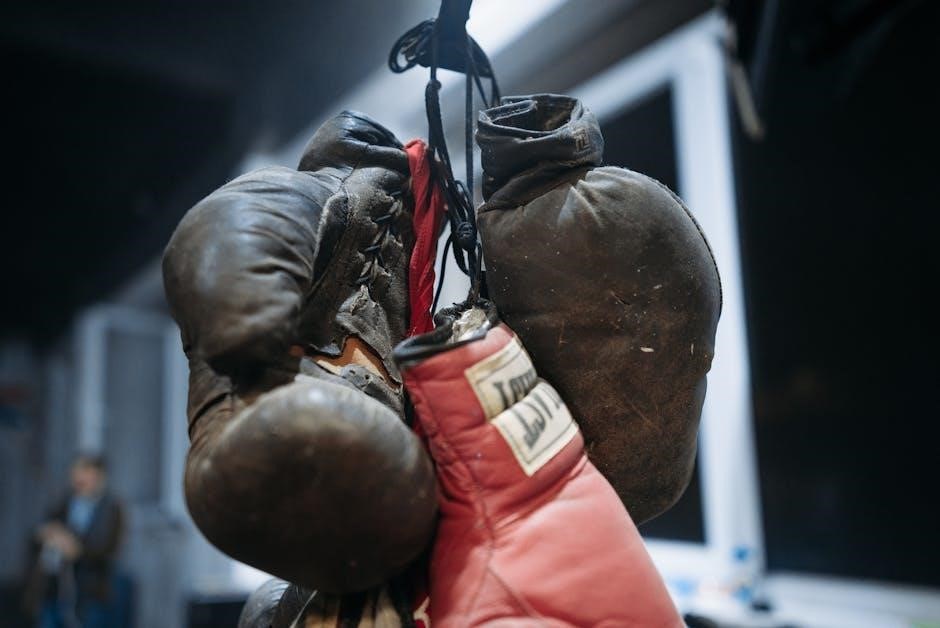
Specific Glove Size Recommendations
Tailoring glove selection to individual boxer profiles—beginner, intermediate, or advanced—and weight ranges is essential for optimal fit, protection, and performance gains.
Gloves for Beginners (Under 150 lbs)
For novice boxers weighing under 150 pounds, a 12oz or 14oz glove is generally recommended. These weights provide a good balance of protection for both the wearer and their sparring partner, while still allowing for sufficient hand mobility.
Beginners are still developing their technique and power, so heavier gloves aren’t necessarily required at this stage. Focus should be on learning proper form and building foundational skills. A lighter weight encourages quicker hand speed and more accurate punches.
Prioritize comfort and a secure fit. Ill-fitting gloves can lead to discomfort and potential injury. Ensure the gloves aren’t too loose, which can compromise wrist support, or too tight, restricting circulation. Proper hand wraps are essential even with beginner gloves, adding an extra layer of protection and improving fit.
Consider all-purpose gloves suitable for bag work and light sparring to start, avoiding specialized gloves until technique is more refined.
Gloves for Intermediate Boxers (150-180 lbs)
Intermediate boxers, falling within the 150-180 pound weight range, typically benefit from 14oz or 16oz gloves. This weight class demands increased protection due to developing power and more frequent sparring sessions. The extra padding safeguards both hands and faces during training.
As skill progresses, focusing on both power and technique becomes vital. A slightly heavier glove helps build endurance and control, while still allowing for reasonable hand speed. Experimenting with different padding types – from traditional foam to gel – can enhance comfort and impact absorption.
Consistent hand wrap usage remains crucial, providing essential wrist support and a customized fit. Consider gloves designed for versatile use, suitable for bag work, pad work, and moderate sparring. Prioritize quality construction and durable materials for longevity.
Proper fit is paramount; ensure a snug, secure feel without restricting movement.
Gloves for Advanced/Professional Boxers (180+ lbs)
Advanced and professional boxers, exceeding 180 pounds, generally require 16oz or 18oz gloves, prioritizing maximum hand and opponent safety. These athletes possess significant power, necessitating substantial padding to mitigate impact forces during intense training and competition.
At this level, glove selection becomes highly personalized. Boxers often prefer specific brands and padding configurations based on feel and performance preferences. High-quality leather construction is essential for durability and breathability, with reinforced stitching for longevity.
Professional sparring demands the heaviest allowable glove weight, minimizing the risk of serious injury. Competition regulations dictate specific glove weights, which must be strictly adhered to. Consistent, professional-grade hand wraps are non-negotiable.
A precise fit is critical, allowing for optimal control and minimizing hand fatigue.

Additional Factors to Consider
Beyond weight and hand size, glove padding material and quality significantly impact protection and comfort; hand wraps also affect the fit, requiring adjustments.
Glove Padding and Material
The padding within boxing gloves is a critical factor influencing both hand protection and the impact delivered during training or competition. Different materials offer varying levels of cushioning and shock absorption.
Traditional gloves often utilize horsehair padding, known for its natural ability to conform to the hand and provide a dense, firm feel. However, modern gloves increasingly incorporate foam padding, such as EVA (Ethylene-Vinyl Acetate) or gel, offering excellent impact resistance and lighter weight.
Multi-layered foam constructions are common, combining different densities to distribute force effectively. Gel padding is often strategically placed in high-impact areas like the knuckles; The outer shell material also plays a role; leather is durable and molds to the hand over time, while synthetic materials like vinyl or PU (Polyurethane) are more affordable and easier to maintain.
Consider the type of training you’ll be doing – heavier padding is preferable for sparring, while lighter padding might suffice for bag work.
Hand Wrap Usage and its Impact on Sizing
Proper hand wrapping is absolutely essential in boxing, providing crucial support and protection for the delicate bones and joints of the hand and wrist. Hand wraps create a unified structure, minimizing the risk of injury from impact and repetitive stress.
However, the added bulk from hand wraps significantly impacts glove sizing. When determining your ideal glove size, always account for the extra layer of padding provided by your wraps. Failing to do so can result in gloves that feel too tight, restricting circulation and hindering performance.
Generally, it’s recommended to go up an ounce in glove size when consistently using hand wraps. Experiment to find the right balance – you want a snug fit that doesn’t compromise comfort or mobility. Different wrapping techniques also affect bulk, so consider your preferred style when assessing sizing.
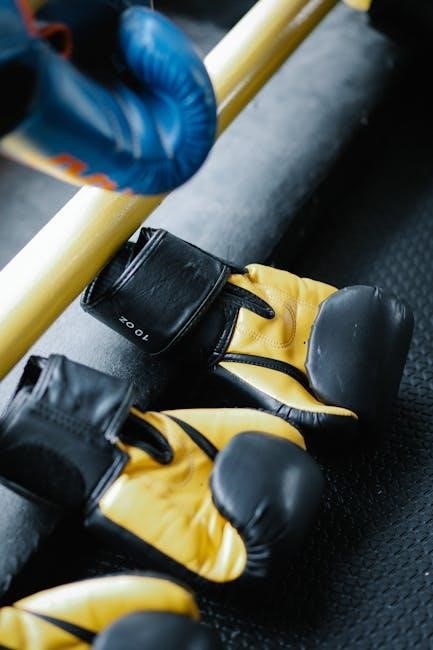
Where to Buy Boxing Gloves
Reputable brands and retailers offer diverse boxing gloves, both online and in stores, ensuring quality and proper fitting assistance for buyers.
Reputable Brands and Retailers
Choosing from established boxing brands guarantees quality construction and reliable sizing information, crucial for safety and performance. Title Boxing is a widely recognized name, offering a comprehensive range of gloves for all levels.
Everlast, a historic brand, provides durable options, though sizing can sometimes run slightly smaller, so consider reading reviews. Ringside is another excellent choice, known for its focus on sparring and competition gear, with detailed sizing charts.
For online retailers, Amazon offers a vast selection but verify seller authenticity. Boxing Depot and Title Boxing’s official website are reliable sources. Local sporting goods stores often carry a limited selection, allowing for in-person fitting, which is highly recommended, especially for beginners.
Don’t hesitate to consult with experienced staff at these retailers for personalized recommendations based on your weight, hand size, and training goals.
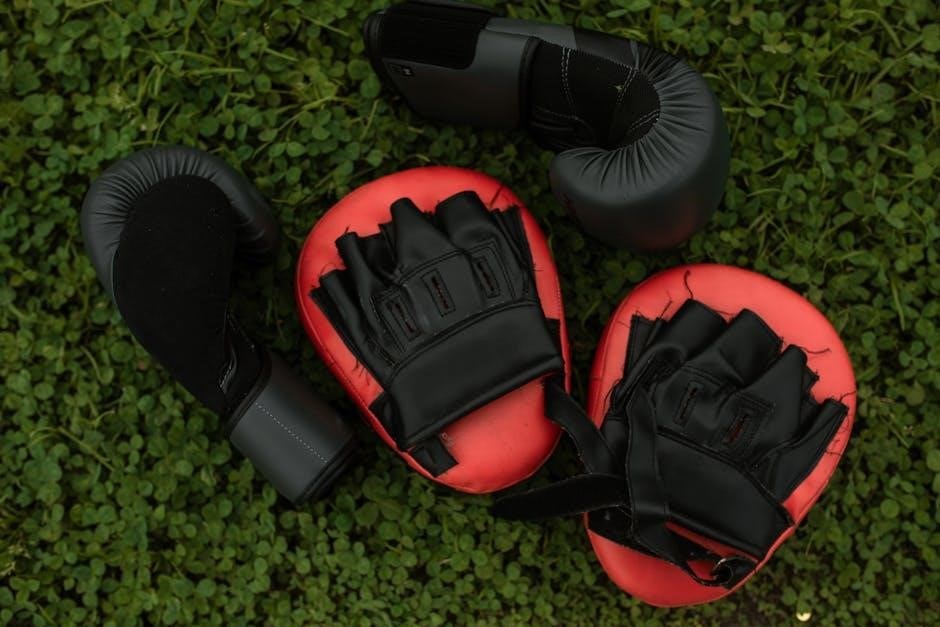
Online vs. In-Store Purchasing
Purchasing boxing gloves online offers convenience and a wider selection, often at competitive prices, but lacks the crucial ability to try them on for fit. Detailed sizing charts and customer reviews become essential when buying online; pay close attention to feedback regarding sizing accuracy.
In-store purchases allow you to physically assess the glove’s feel, padding, and hand compartment size, ensuring a comfortable and secure fit. Expert staff can provide personalized guidance, helping you select the appropriate size and style for your needs.
While online returns are possible, they can be inconvenient. If you’re unsure of your size or a beginner, visiting a local boxing retailer is highly recommended. Consider trying on gloves with hand wraps to simulate actual training conditions, guaranteeing optimal comfort and protection.