
Overview of “Going on a Bear Hunt”
Rashida Maynard’s PDF
Other Available PDFs
Beyond Rashida Maynard’s edition, several other PDF versions of “Going on a Bear Hunt” circulate online. One popular source is the free download offered by the Internet Archive, where the community has uploaded a 6.8 MB audio‑book file that can be paired with a PDF of the text for a multimodal experience. Libraries such as the local public library’s digital collection often provide a scanned copy of the original 1974 edition, which is available for download in a high‑resolution PDF format. Educational sites like Teachers Pay Teachers host user‑generated PDFs that include additional activities, such as coloring pages and matching games, which are bundled with the story text. Another option is the PDF hosted on the official publisher’s website, which offers a slightly different illustration style and a small glossary to aid younger readers.

In addition, some community book clubs have digitized their own copies of the story, offering PDFs that include annotations and discussion prompts. These annotated PDFs are particularly useful for guided reading sessions, as they highlight key vocabulary and provide questions that encourage critical thinking. The annotations are often added by volunteer educators and are shared under a Creative Commons license, allowing for easy redistribution. Some PDFs also incorporate QR codes that link to short video clips of the story being read aloud. The availability of multiple PDFs means that if one file becomes corrupted or is no longer hosted, there are alternative sources to retrieve the story. By maintaining a library of PDFs from diverse origins, educators can create a robust digital collection that supports varied teaching strategies and meets the needs of all learners today.

Audio Versions
The CBeebies Radio broadcast of “Going on a Bear Hunt” is freely downloadable from the Internet Archive, offering a 6.8 MB audio file narrated by Michael Rosen. It complements the PDF, providing an engaging listening experience for all ages. It is also available as a podcast episode for all!
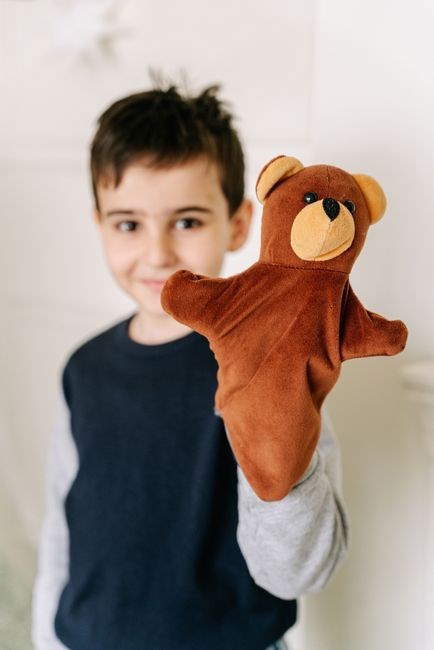
CBeebies Radio Broadcast and Download Options

The CBeebies Radio version of “Going on a Bear Hunt” is a beloved audio adaptation narrated by Michael Rosen. Available on the Internet Archive, the 6.8 MB file can be streamed directly or downloaded in MP3 format for offline listening. The recording captures the rhythmic chant of the original story, complete with sound effects that bring the river, forest, and storm to life. Parents and teachers can use the audio to complement the PDF, allowing children to follow along visually while hearing the narrative. The file is free to download and can be added to any media library, playlist, or shared via email. For those who prefer a live broadcast, the CBeebies Radio app offers a scheduled replay of the story, and the official CBeebies website hosts a short clip that previews the full audio; The combination of the PDF and the audio version provides a multi‑sensory experience that supports literacy, listening skills, and imaginative play. The audio can be paused, rewound, or replayed at different speeds, making it adaptable for various learning paces. In addition, the Internet Archive’s “CBeebies Radio – Were Going on a Bear Hunt” page includes user comments and a brief description of the recording’s origin, giving context for educators. By integrating the PDF with the audio, educators can create a lesson plan that includes reading, listening, and discussion activities. The free nature of the download ensures accessibility for all families, and the high‑quality narration by Michael Rosen adds a professional touch that enhances the storytelling experience and encourages children to engage with the story in multiple formats. It also supports screen‑reading software for all learners.
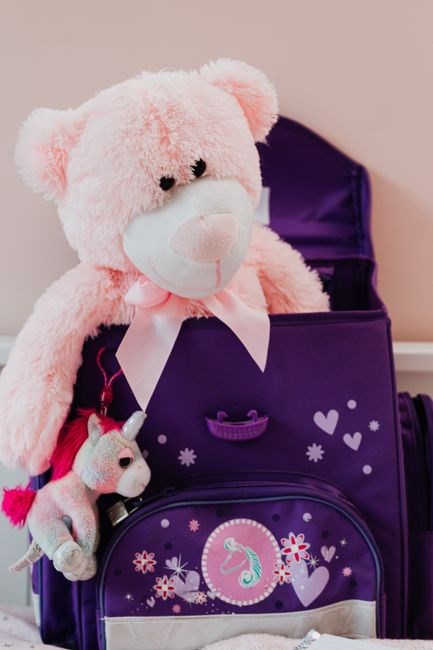
Printable Activities

Explore free printables: sequencing sheets for preschoolers, puppet templates, and a map‑binocular craft. These activities let children act out the story, trace the path, and create their own adventure tools. Download, print, and bring the hunt to life!Kids color maps and share online;
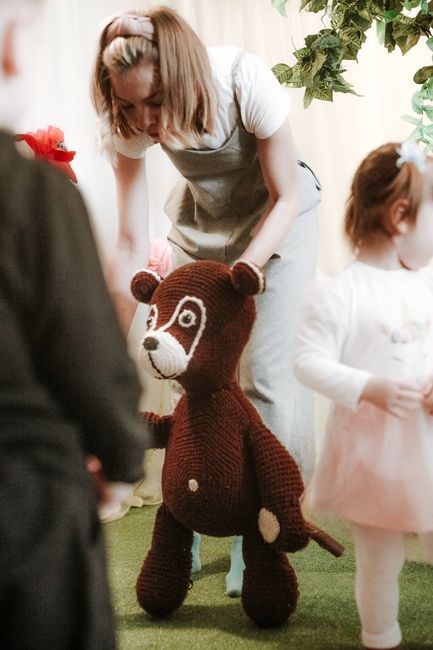
Sequencing Sheets for Preschoolers
These sheets support group or solo work. Teachers pair students to compare sequences, fostering teamwork. Parents use it to reinforce sequencing at bedtime, turning reading into a shared adventure. The printable format can be customized. This activity can be adapted for different reading levels. Encourages creativity.
Sequencing sheets also help children build vocabulary, as they encounter new words in context. By matching pictures to text, learners strengthen word recognition and spelling. Teachers can use the sheets to assess reading fluency, noting how quickly students move from one panel to the next. Parents can extend the activity by asking follow‑up questions about each scene, encouraging deeper comprehension and critical thinking.
This activity supports growth now!!!
Puppet Templates
Printable puppet templates are available for the classic bear hunt story. These templates feature characters such as the brave family, the mischievous bear, and the friendly river. Children can cut, color, and assemble the puppets, then use them to reenact scenes from the PDF. Teachers can incorporate puppet play into literacy lessons, encouraging students to narrate the story while manipulating the figures. Parents can download the templates from the online library, print them on cardstock, and create a puppet theatre at home. The templates are designed to be easy to assemble, with simple fold lines and minimal glue. They also come in a variety of sizes, making them suitable for both preschoolers and older children. By using puppets, learners develop fine motor skills, spatial awareness, and storytelling confidence. The activity can be extended by adding dialogue cards that prompt children to act out specific moments, such as crossing the river or entering the forest. Additionally, teachers can use the puppet templates as a visual aid during read‑aloud sessions, allowing students to physically interact with the narrative. The templates are printed on durable paper, ensuring they withstand repeated use. For an extra challenge, educators can ask students to design their own puppet accessories, such as hats or scarves, to personalize the characters. This creative element encourages artistic expression and deepens the connection to the tale. Overall, puppet templates provide a versatile, hands‑on tool that enhances reading enjoyment and supports developmental goals across multiple domains. Enjoy the adventure!!
Map and Binocular Craft
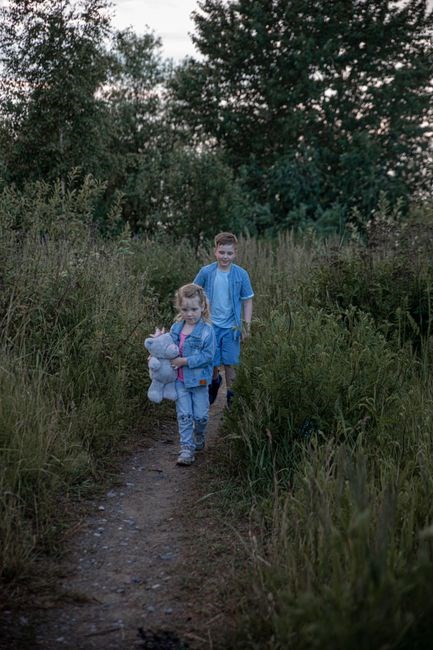
Create an engaging map and binocular craft that brings the beloved bear‑hunt adventure to life. Start by printing a large, simple map of the journey’s terrain—river, forest, and meadow—available as a free PDF download from the online library. Cut the map into sections and fold each into a foldable booklet, so children can flip through the path as they read the story. Next, craft binoculars from paper tubes or cardboard tubes, attaching a pair of round paper lenses. Decorate the tubes with bright stickers or hand‑painted patterns to make them look authentic. Pair the binoculars with the map: children can “look” through the binoculars to spot the next landmark, reinforcing spatial awareness and narrative sequencing. For added sensory play, attach a small, scented patch to the map’s forest section, letting kids smell pine or damp earth as they “approach” the woods. Encourage the use of color‑coded markers to highlight the river’s depth and the forest’s density, helping visual learners differentiate terrain types. This craft can be integrated into a reading lesson: after reading a chapter, students use the binoculars to locate the next scene on the map, then retell the events in their own words. The activity also supports fine motor development through cutting, folding, and drawing. Finally, display the completed map and binoculars in the classroom as a visual reminder of the adventure, inspiring future storytelling projects. Parents and teachers can share the finished crafts online, encouraging a community of young explorers to discuss their favorite moments and new ideas for adventures. The tactile experience of building the map and binoculars deepens comprehension and makes the story memorable for every child. Teachers can also incorporate a simple quiz at the end, asking children to identify the next terrain based on clues from the map. This interactive element boosts engagement and reinforces key concepts. Kids love the hands‑on feel. Enjoy the hunt!

Additional Resources
Explore online library collections for PDFs, audio, and printable activities; Interactive teaching tools like virtual maps, quizzes, and craft templates enhance engagement. Download resources, share in class, and spark creative storytelling adventures. Use these tools to build immersive lessons and inspire young readers!!!. !
Online Library Collections
Many libraries host digital collections that include the full “Going on a Bear Hunt” PDF, audio versions, and related teaching materials. These online portals allow access to the 40‑page flip PDF from Rashida Maynard, which is available for free download or online reading. Users can search by title, author, or ISBN, and many libraries provide a preview feature so educators can verify the content before borrowing. In addition to the PDF, several libraries offer resources such as printable sequencing sheets, puppet templates, and craft projects that align with the story’s themes. CBeebies radio broadcast is available now! CBeebies radio broadcast gives children a lively audio version of the story for kids! The digital collections are organized by age group, making it easy for teachers to find age‑appropriate materials. Many libraries offer interlibrary loan services, so if a particular edition is not available locally, patrons can request it from another library with wait time. The online catalogues include metadata such as publication date, author biography, and related works, which can enrich lesson plans. For educators, the ability to download or stream materials from the library’s website saves time and enhances classroom engagement. Libraries also host webinars and tutorials on how to integrate these digital resources into lesson plans, ensuring that teachers can fully utilize the available content. Finally, many library websites provide a discussion forum where educators can share ideas, lesson plans, and creative adaptations of the story, fostering a community of practice around “Going on a Bear Hunt.”
Interactive Teaching Tools
Teachers can transform the “Going on a Bear Hunt” PDF into a dynamic learning experience with a suite of interactive tools. Digital story maps let students drag and drop the river, forest, and meadow onto a virtual landscape, reinforcing spatial awareness while following the narrative’s sequence. Embedded quizzes after each chapter prompt recall of key details—such as the sound of the wind or the texture of the mud—using multiple‑choice and drag‑and‑drop formats that provide instant feedback. A collaborative whiteboard feature allows groups to sketch the bear’s path, annotate with emojis, and discuss strategies for overcoming obstacles, fostering critical thinking and teamwork. For younger learners, an audio‑guided narration syncs with the PDF pages, so children can listen while following along, improving phonics and comprehension. Advanced educators can integrate a simple coding module where students program a virtual bear to navigate the obstacles, applying logic and sequencing skills. All tools sync with the library’s LMS, enabling teachers to track progress, export reports, and adjust difficulty levels. These interactive resources turn passive reading into an engaging, multimodal activity that aligns with 21st‑century learning standards. Additionally, a mobile app companion lets students record their own voice‑over narration, which can be shared in class or posted to a secure classroom forum. The app also offers a “choose‑your‑own‑adventure” mode where students select different paths for the bear, allowing them to explore cause‑and‑effect relationships and practice decision‑making. Teachers can embed these activities into lesson plans, collect data on student engagement, and use analytics to tailor future instruction. The platform’s accessibility options—such as high‑contrast mode, adjustable text size, and screen‑reader compatibility—ensure that every student can participate fully. By combining visual, auditory, and kinesthetic elements, these tools provide a comprehensive, inclusive approach that supports diverse learning styles and promotes deeper understanding of the story’s themes and moral lessons.
Teachers can also integrate a simple coding module where students program a virtual bear to navigate obstacles, applying logic and sequencing skills. This fosters thinking and problem‑solving!!